
Understanding the psychological triggers that keep gamblers returning to the table
The Nature of Gambling Addiction
Gambling addiction is often rooted in complex psychological factors that draw individuals back to gaming tables, despite negative consequences. The thrill of risk-taking and the potential for significant financial reward create an exhilarating experience that many find hard to resist. This interplay between excitement and potential loss can lead to a compulsive need to gamble, overshadowing rational thought and leading to repeated engagement with gambling activities. Additionally, BetBull offers a range of features that cater to this very urge, as seen at https://bet-bull.uk/.
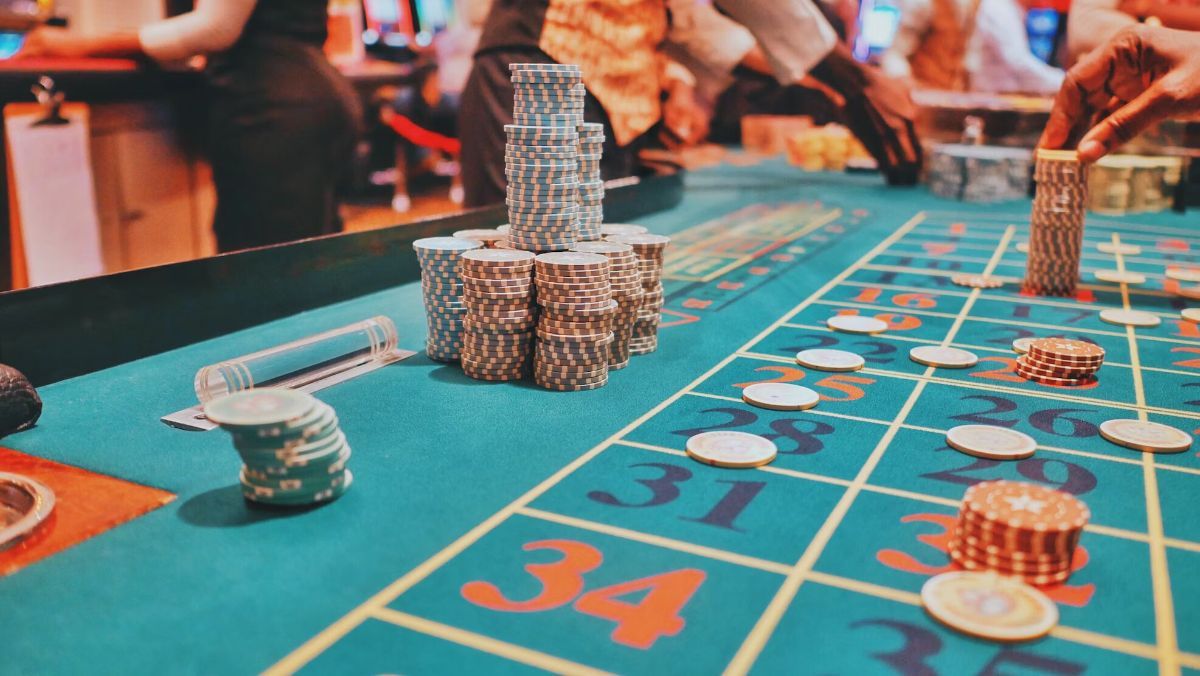
Moreover, the phenomenon known as the „near-miss” effect plays a crucial role in reinforcing this behavior. When gamblers experience situations where they come close to winning—such as rolling just one digit short of a jackpot—they often feel a rush of excitement that keeps them coming back for more. This psychological reinforcement can create a loop where even small wins, or the anticipation of winning, motivate continuous gambling, leading to an increased investment of time and money.
The dopamine release during gambling also contributes to this addiction. This neurotransmitter, often referred to as the ‚feel-good’ chemical, is released in response to the excitement of betting and winning. Gamblers often chase that high, wanting to recapture the euphoric feelings associated with past wins. Unfortunately, over time, they may require larger bets or more frequent gambling to achieve the same emotional payoff, deepening their cycle of addiction.
The Role of Cognitive Dissonance
Cognitive dissonance refers to the psychological discomfort experienced when one’s beliefs or values conflict with their actions. Gamblers often experience this dissonance after significant losses, yet they continue to gamble in hopes of recovering their losses. This irrational decision-making reflects a common trap: the belief that one can turn their luck around often overrides logical reasoning. Gamblers rationalize their losses by thinking, „I will win it back,” leading to persistent returns to the gambling table.
This mindset can become even more entrenched as gamblers develop a narrative that ties their identity to gambling. They may convince themselves that they are merely „unlucky,” ignoring the statistical reality of the games they play. This internal justification keeps them engaged, as they maintain hope for a future victory that will validate their beliefs and soothe their dissonance, even in the face of ongoing losses.
Additionally, social factors can exacerbate this cognitive dissonance. Gamblers often surround themselves with friends or family who share similar beliefs about luck and winning. This social reinforcement makes it easier to dismiss negative experiences as isolated incidents rather than acknowledging them as part of a broader pattern. The community aspect of gambling can create a false sense of security, leading individuals to return to the tables to maintain their social connections and validate their choices.
The emotional rollercoaster associated with gambling is a powerful psychological trigger. Gamblers experience intense highs when they win, followed by significant lows when they lose. This cycle of emotions can create a compelling narrative that keeps individuals engaged in gambling activities. For many, the emotional thrill becomes addictive; they crave the exhilaration that comes with taking risks, regardless of the outcome.
The anticipation of a win can also lead to a form of emotional gambling. The very act of placing a bet generates excitement and anticipation, which can be just as pleasurable as winning itself. Gamblers often chase these emotional highs, reinforcing their desire to return to the table. This emotional investment can overshadow the rational calculations about the odds of winning, creating a scenario where the experience becomes more important than the outcome.
Furthermore, many gamblers find themselves drawn to the camaraderie that often exists in gambling environments. Sharing moments of joy or despair with fellow gamblers can deepen their emotional ties to the activity. This social interaction, combined with the highs and lows of gambling, creates a unique emotional landscape that keeps individuals returning, as they seek not only monetary gain but also social validation and emotional fulfillment.
The Influence of Marketing and Environment
Marketing strategies play a significant role in attracting gamblers back to the table. Casinos and online gambling platforms use enticing promotions, advertisements, and loyalty programs to create an illusion of winning potential. These tactics can generate a sense of urgency and excitement, making it difficult for gamblers to resist returning to try their luck. Such marketing efforts are designed to tap into psychological triggers, heightening the anticipation and excitement that often leads to impulsive decisions.
The physical environment of casinos also plays a significant role in keeping gamblers engaged. The layout, lighting, and sounds of slot machines and table games are meticulously designed to create an immersive experience. Bright lights and celebratory sounds when a player wins can reinforce positive feelings, drawing individuals back into the gambling atmosphere. This sensory experience reinforces the connection between gambling and reward, making it harder for individuals to resist the call of the table.
Online gambling platforms, like BetBull, further enhance this experience with user-friendly interfaces and interactive features. The convenience of placing bets anytime and anywhere adds a layer of accessibility that traditional casinos cannot match. As technology continues to evolve, the gambling experience becomes increasingly engaging, making it difficult for even the most cautious individuals to resist the allure of the table. The constant stimulation from digital platforms creates a habitual cycle of gambling that many find hard to break.

BetBull: A Premier Gambling Experience
BetBull stands out as an innovative online sports betting platform catering to both novice and experienced gamblers. With its user-friendly interface and wide array of sports, including football and horse racing, it provides an accessible entry point for those looking to engage in online gambling. The platform not only offers competitive odds but also unique social betting options that enhance the overall experience, reflecting the psychological triggers that keep individuals returning.
Generous promotions, including welcome bonuses and ongoing incentives, further attract users, creating an enticing environment that mirrors the real-life gambling experience. BetBull’s dedicated mobile app allows users to place bets conveniently, reflecting the psychological elements of ease and accessibility that drive engagement. This flexibility means that whether at home or on the go, users can immerse themselves in the thrilling world of sports betting.
Understanding the psychological triggers behind gambling behavior is crucial for platforms like BetBull as they aim to create responsible gaming environments. By fostering an engaging community and promoting responsible betting, they cater to the psychological needs of their users while encouraging a sustainable gambling experience that balances excitement with caution.
„`
Najnowsze komentarze