
Exploring cultural attitudes toward gambling A global perspective
Cultural Variations in Gambling Attitudes
Cultural attitudes toward gambling can vary significantly across the globe, shaped by historical, social, and economic factors. In some cultures, gambling is viewed as a form of entertainment and social interaction, while in others, it is seen as a vice or even a criminal activity. For example, in many Western countries, casinos and betting shops are a common sight, and the industry is often regulated and taxed, contributing to local economies. Moreover, for new players seeking an engaging experience, Casoola casino New Zealand stands out as a notable option in the gaming industry.

Conversely, in countries like Japan and certain regions of the Middle East, gambling is heavily restricted or outright banned due to cultural and religious beliefs. Here, gambling may be associated with negative outcomes, such as addiction and financial ruin, leading to a more cautious or even hostile attitude towards gambling activities. Understanding these cultural nuances is essential for anyone looking to navigate the global landscape of gambling.
The Influence of Religion on Gambling Practices
Religious beliefs play a significant role in shaping attitudes toward gambling. In many religious communities, such as Islam, gambling is prohibited, seen as contrary to the principles of fairness and ethical behavior. This prohibition affects not only individual beliefs but also community standards, leading to a generally negative view of gambling.
In contrast, some cultures with less restrictive religious frameworks may embrace gambling as part of social celebrations or traditions. For instance, in certain Hindu festivals, games of chance are incorporated as a form of enjoyment and bonding among participants. This divergence highlights the complex interplay between faith and leisure activities, illustrating how religion can influence societal views on gambling.
The Economic Impact of Gambling
The economic implications of gambling are a crucial factor in how it is perceived worldwide. In countries where gambling is legal and regulated, it can be a significant source of revenue for governments. This revenue often funds public services, infrastructure projects, and social programs, leading to a more favorable view of gambling among the populace.
However, the economic benefits can also spark debates about social responsibility. Critics argue that while gambling can bring financial gains, it can also lead to social issues, including addiction and family problems. This duality creates a complex picture where the economic advantages are weighed against potential social costs, influencing public opinion on the practice.
Gambling in Contemporary Society
In the modern world, technology has transformed the gambling landscape, with online casinos and betting apps gaining popularity. This shift has made gambling more accessible than ever, transcending geographic and cultural boundaries. However, the rise of online gambling also brings challenges, such as the potential for addiction and the ease of engaging in risky behaviors.
Many cultures are still grappling with how to regulate this rapidly evolving industry. While some countries embrace online gambling as a legitimate business, others remain hesitant due to concerns about consumer protection and the social ramifications of increased access to gambling activities.
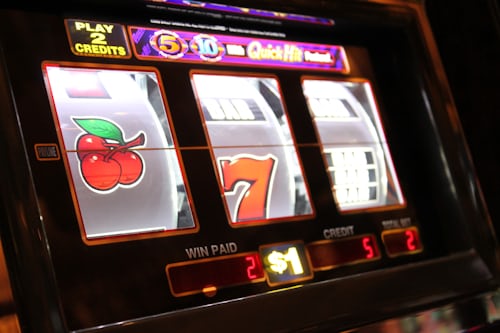
Casoola: Your Gateway to Online Gaming
For those interested in exploring the exciting world of online gambling, platforms like Casoola provide an excellent starting point. Launched with a commitment to safe play and user-friendly experiences, Casoola caters to a diverse audience, including new players. With a wide array of games, from slots to live tables, it offers an immersive gaming adventure.
Furthermore, Casoola’s dedication to responsible gaming ensures that players can enjoy their favorite activities while maintaining control. With 24/7 customer support and generous bonuses for new players, Casoola exemplifies how modern online casinos can prioritize both entertainment and safety in the evolving gambling landscape.
Najnowsze komentarze